By Max Smith
Paradise Valley Spring Creeks
As the colder weather starts to slow things down, the spring creeks continue to be very productive. Nymphing is still going to be the most consistent approach, although there are opportunities for dry fly fishing on calmer, sheltered stretches. With the spring creeks relatively stable water temperatures, fish can remain active through the colder months. A lot of it comes down to being in the right place at the right time and finding fish that are actively feeding.
As temperatures drop, deeper nymphing will generally be the most productive approach. Trout tend to settle into deeper, more stable water where they can conserve energy while still having access to food drifting through the current. The warmer parts of the day, generally between 10 AM and 2 PM, are worth focusing on, as fish can become more willing to feed as temperatures rise. Look for deeper pools, slower runs, and areas with a consistent current where fish can comfortably hold.
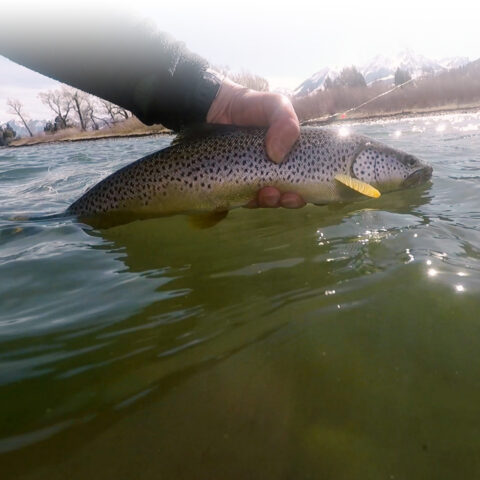
Post-spawn brown trout are also worth targeting. After spending energy during the spawning season, they are looking to recover and put some weight back on. They can be especially interested in easy meals drifting through their holding water, making a well-presented nymph or a slowly fished streamer a great option. Streamers have been fishing well when worked slowly, especially through deeper runs and pools where larger browns are holding.
Some productive nymphs to have this week include black, red, and olive Zebra Midges, Blood Blister Midges, Tungsten Scuds in a size 16, Hungback Scuds, and Ray Charles patterns in gray. Midge larvae in olive, red, and black are also great options, along with Mercury Midges in gray, Disco Midges, hot-bead sow bugs, and Sunkissed Nymphs. These smaller patterns can be very effective when fish are feeding consistently below the surface but aren’t willing to move far for food.
For streamers, the Hot-Head Woolly Bugger, Kreelex Minnow, Thin Mint, Sparkle Minnow, and Baby Gonga are all worth having. darker or more natural colors often being a good choice in the colder water. The key is to slow things down and keep the fly moving naturally through the deeper holding water rather than stripping it too aggressively.
Yellowstone River
The Yellowstone is beginning to settle into its colder-weather patterns, with slower, deeper water becoming more important. Look for fish in deeper runs, tailouts, pools, foam eddies, and areas with recirculating current. These spots provide trout with a place to hold comfortably while still having access to food moving through the river.
Slowly swung streamers and deep nymph rigs are both worth focusing on. Intruder-style patterns, dead-drifted sculpins, Sparkle Minnows, and Woolly Buggers can all be productive when fished slowly through deeper water. Rather than working a streamer aggressively, try a slow swing or a few strips. This can be especially effective for post-spawn brown trout that are looking for an easy meal while recovering from the spawning season.
For nymphing, patterns such as a purple or yellow Blowtorch,rubberlegs, Duracell Bomb, and Perdigons are all good options. Getting these flies down deep and allowing them to drift naturally through slower holding water is important. Smaller nymphs can also be effective, especially when fish are feeding on midges.
Egg patterns could be very productive as well, as trout may still be eating eggs drifting downstream from spawning areas. This can be a great opportunity to fish a larger, more noticeable pattern through deeper runs and slower seams.
Be cautious around ice along the riverbanks. While these areas can provide some great holding water and shelter for trout, they can also make access and wading more difficult. Take your time around icy banks and be careful of changing conditions.
Looking Ahead
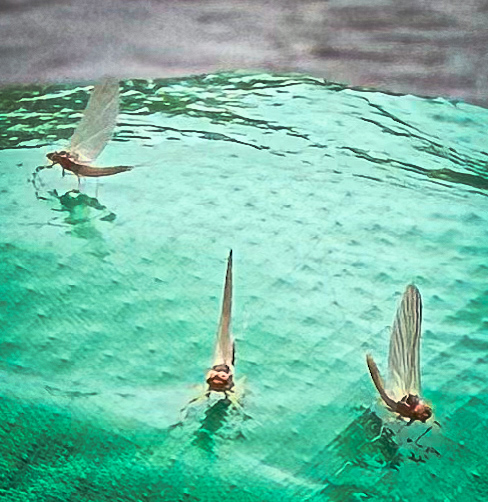
The upcoming weather looks to be warming up, with partly sunny days in the forecast. These conditions could provide some great opportunities on both the Yellowstone River and the spring creeks. Warmer afternoons can help get fish moving and feeding, while calmer conditions may offer some opportunities for dry fly fishing on the spring creeks.
As always this time of year, focusing on the warmer parts of the day, slowing down your presentations, and finding the deeper holding water will be key. Don’t overlook a good streamer or nymph rig, and keep an eye out for any afternoon insect activity that could bring fish to the surface.
Yellowstone River near Livingston

NOAA Water Prediction Service (.gov)
https://water.noaa.gov › gauges › livm8
National Weather Service (.gov)
https://forecast.weather.gov › MapClick
0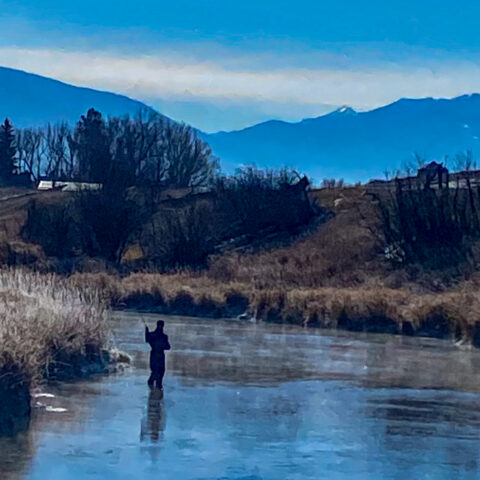


Leave a Reply
You must be logged in to post a comment.