
“Willow Flies” Are Crawling—And the Hatch Is Starting
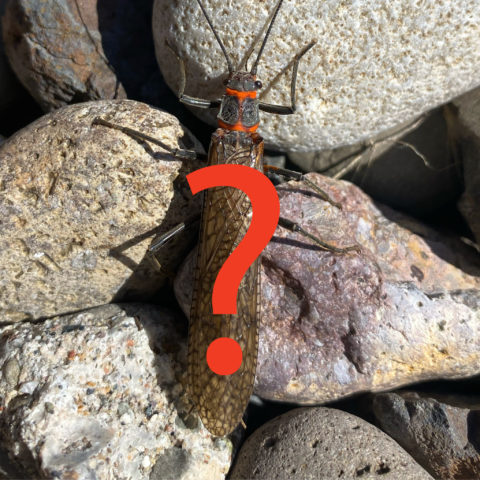
The Salmonflies have begun their crawl up the banks and into the willows—exactly where the trout are looking. These insects don’t emerge midstream. They migrate to the edges, climbing rocks, grass, and willows. That’s where you’ll find the first major hatch activity.
The stretch from Emigrant to just above Pine Creek is holding bugs and showing signs of life, but this isn’t a blanket emergence. It’s scattered, early, and building. The hatch is moving upstream in fits and starts, not a clean march. The best fishing comes to those who move, observe, and hit the right water at the right moment.
Yellowstone River
Flows are sitting just below 10,000 CFS with clarity improving daily. Most float stretches are in play again, and the side channels are starting to clear up. The water is still powerful, especially in the main stem, so be smart with your wading.
In the mornings, focus on slower inside bends and soft edges near structure. Productive patterns include Pat’s Rubberlegs, 20-Incher Stones, and Double Bead Stones. Fish heavy rigs close to submerged willows and root systems and use 0X or 1X tippet. These trout will dive into cover as soon as they’re hooked.
Afternoons bring good dry fly action with big dries like the Chubby Chernobyl, and Water Walker producing along grassy, shaded banks. Cast tight—within inches of the willows. That’s where the fish are waiting for clumsy adults to fall. Don’t be afraid to make some noise; a good splash will often draw attention.
In the evenings, work soft seams and bank shadows with smaller streamers like a Thin Mint or Mini Dungeon. If dries taper off, try a Chubby with a dropper such as a Prince, Pheasant Tail, or small stonefly nymph.
Spring Creeks – DePuy’s & Armstrong’s
Both creeks are in excellent shape—cold, clear, and steady. There is an early trickle of PMDs, but the full-scale hatch is still building. Expect the real push to begin around June 20, with peak days likely through the end of the month.
Early to mid-morning sees light midge and sparse PMD activity. Fish are feeding in slicks and tailouts on overcast mornings. Good patterns right now include the Mole Fly in sizes 16-18, CDC Midge Emergers, and Split Back PMDs, thinly tied pheasant tails.
Late morning to early afternoon may bring a few fish rising to light PMD emergences. Use CDC Sparkle Duns, Comparaduns, or Thorax PMDs in sizes 18–20. Long leaders, 6X to 7X tippet, and a soft presentation are essential. If fish won’t eat the full dun, switch to a Mole Fly or small PMD emerger.
When surface activity slows, trail a Split Case PMD, Pheasant Tail, or Zebra Midge under a small yarn indicator or tight-line rig. Look for fish feeding mid-column in riffles or tailouts.
Recommended Flies
For the Yellowstone River, effective flies right now include Pat’s Rubberlegs in coffee or black, sizes 6–10; 20-Incher Stoneflies in sizes 8–12; Chubby Chernobyl in orange, tan, or purple, sizes 6–8; Henry’s Fork Salmonfly, size 6; and Thin Mint or Sculpzilla in sizes 6–8.
For DePuy’s and Armstrong’s Spring Creeks, the Mole Fly in PMD and midge colors, sizes 18–20, is a standout pattern. Also effective are CDC Sparkle Dun PMDs size 18; Split Case PMDs sizes 18–20; Sawyer Pheasant Tail size 18; and Zebra Midge in black or olive, sizes 20–22.
Safety Note for Yellowstone River Floaters
Flows are below 10,000 CFS but still powerful and fast-moving. The river can be unforgiving if you’re not careful. Watch for sweepers, log jams, and new debris pushed in by spring runoff or last year’s floods, as these can block channels or create hazards. Scout new water and always have a backup takeout plan. Boat handlers need to be experienced in big water rowing and ready to pull hard when necessary. Avoid tight corners and be extra cautious in narrow or obstructed sections. If wading, pick your spots carefully—strong currents can easily knock you off balance. Safety first means more fishing days ahead.
Final Word
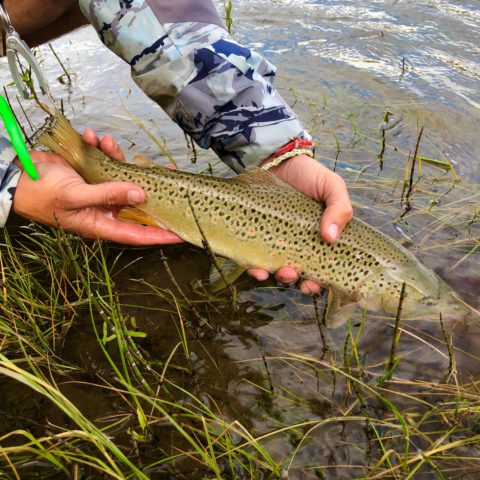
The Yellowstone is on the edge of going full throttle. Salmon flies are here, and more are coming. If you’re willing to cover water, cast tight to the banks, and lose a few flies in the willows, you’re going to find fish.
The spring creeks are fishing well for those who like the technical side of things. The PMDs are teasing now, but the main event is just days away. Be ready for it—June 20 through the 25th looks like prime time.
0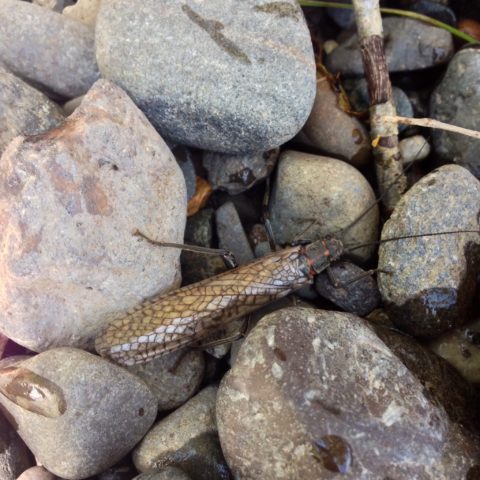

Leave a Reply
You must be logged in to post a comment.